


FIELD NOTE
Stereotaxis to buy Robocath for up to $45M
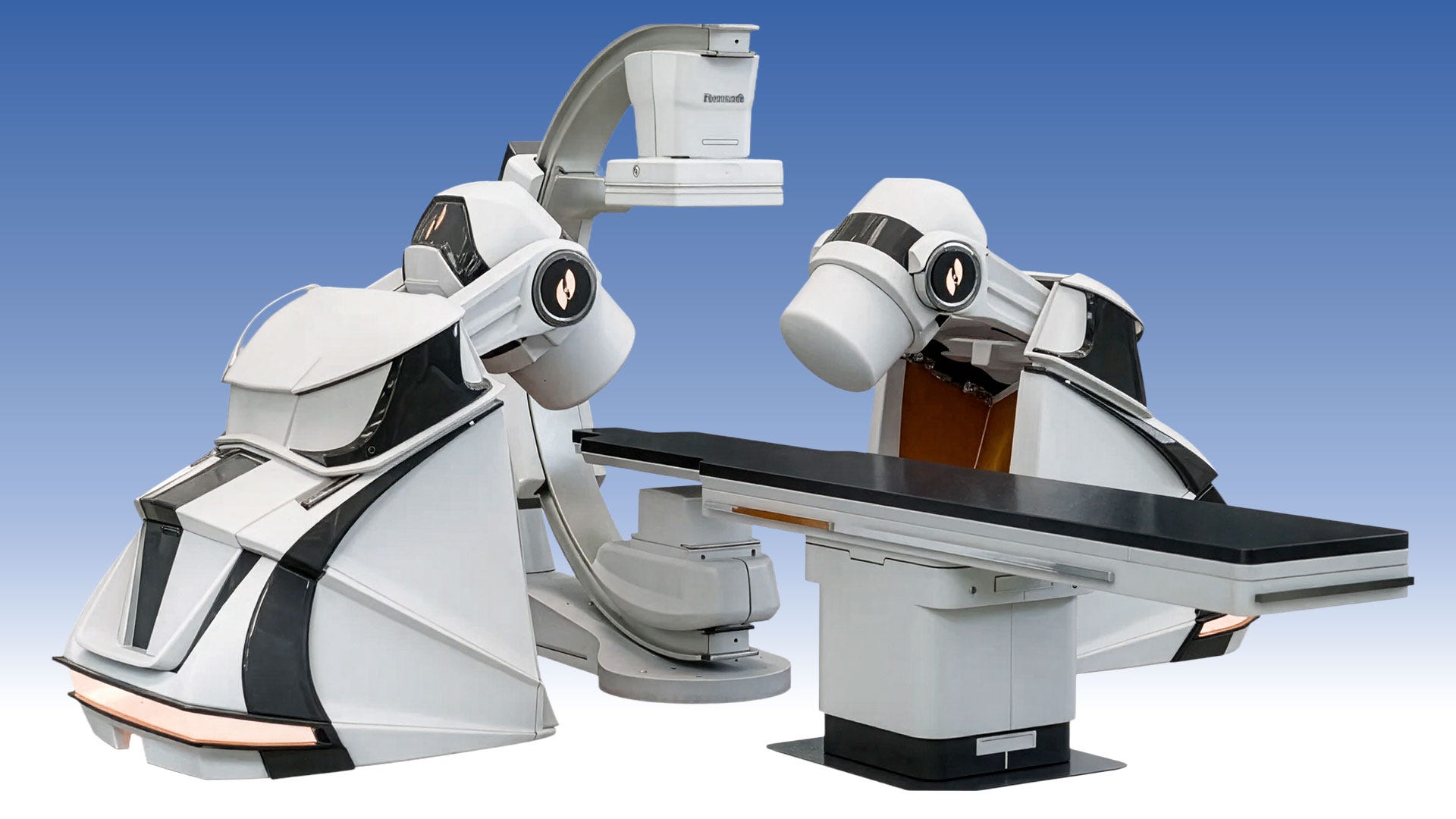
Stereotaxis has agreed to acquire robotic PCI developer Robocath in a deal valued at up to $45 million, adding coronary intervention capabilities to a platform historically focused on electrophysiology.
The transaction includes $20 million upfront and up to $25 million in milestone-based payments tied to regulatory and commercial progress, including FDA clearance of Robocath’s next-generation system. That structure reflects both the strategic intent and the remaining execution risk, particularly in the U.S. market, where Robocath does not yet have approval.
At the product level, the companies bring distinct technologies. Stereotaxis has built its business around magnetic navigation systems used primarily in cardiac ablation — its Synchrony platform, which recently received FDA clearance, and the broader GenesisX and SynX ecosystem give the company proprietary building blocks for the integration ahead. Robocath’s R-One+ platform enables robotic manipulation of guidewires and devices during percutaneous coronary interventions. The system is CE marked and in limited commercial use outside the United States, with 15 systems installed globally. Clinical data from the multicenter R-EVOLUTION study showed 100% clinical success and 95.2% technical success across 62 patients with no complications at 30 days, though the study authors noted that larger populations and more complex lesion profiles will be needed before the evidence base is considered mature.
The rationale for combining those capabilities points to a broader shift in how robotic intervention is developing.
For much of the past decade, systems in this category have been designed around individual procedures, with companies attempting to establish clinical and economic value within narrowly defined use cases. The most established robotic PCI system in the U.S. market — Siemens Healthineers’ CorPath GRX — reflects that approach: a capable, cleared platform that has built its case specifically in interventional cardiology. Stereotaxis is taking a different position. By adding PCI and positioning for eventual expansion into neurovascular intervention, the company is moving toward a multi-procedure platform that can be deployed across service lines rather than anchored in a single specialty.
That strategy reflects a view that the barrier to adoption in robotic intervention is no longer primarily technical. It is structural — tied to workflow integration, physician training, and the ability to support consistent procedural volume.
Whether this acquisition addresses those constraints is less clear.
Integrating magnetic navigation and mechanical robotic control into a unified system presents practical challenges. The technologies operate differently, require different forms of physician interaction, and have been developed for distinct clinical settings. Stereotaxis has existing proprietary hardware and software infrastructure to build from, but bringing them together in a way that simplifies, rather than complicates, use in the cath lab will be critical. The company has projected Robocath will contribute roughly $2 million in revenue in the first year post-acquisition, with breakeven expected by the third year — figures that underscore just how early this integration is in commercial terms, even as the strategic logic is clear.
The regulatory timeline adds another layer of uncertainty. Robocath’s current platform is not approved in the U.S., and future clearance is already embedded in the deal’s economics. Stereotaxis has indicated it plans to pursue regulatory submissions in both the U.S. and Europe within two years. Until that milestone is achieved, the platform Stereotaxis is building remains only partially realized in its largest potential market.
The deal ultimately sits within a broader inflection point for robotic intervention in medtech.
Companies are beginning to move away from procedure-specific systems toward platforms that can support a wider range of interventions. The logic is straightforward: broader applicability can support higher utilization, and higher utilization is what justifies adoption. At the same time, expanding platform scope introduces new complexity — in integration, in training, and in demonstrating consistent value across different clinical contexts.
Stereotaxis is effectively placing a bet on which of those forces will dominate.
If a broader platform can translate into more routine use, this type of consolidation could accelerate adoption across interventional cardiology and adjacent fields. If not, the risk is that added capability increases system complexity without materially changing how often these technologies are used.
That dynamic extends beyond a single transaction. It is increasingly central to how the next phase of robotic intervention in medtech will be defined.
SPONSORED BY RŌG HEALTH
86% of Medtech Teams Have Claims Their Evidence Can’t Back Up
In our Q1 client study, that’s what we found — claims outpacing evidence by enough to create real exposure in investor due diligence, health system reviews, or partner conversations. Most teams don’t see it because nothing breaks until the room actually matters.
We recently worked with a company preparing for a $25M Series A raise. Three weeks out, we found a claims-evidence gap that would have surfaced in due diligence. They fixed it before it cost them.
If you’re heading into a raise, a launch, or a strategic conversation in the next 90 days, take two minutes to see where you stand.
Take the free readiness check →
Want to put your brand in front of 35,000+ medical device and med tech leaders each week? Contact us to learn more about sponsorship opportunities.
🧭 About The Pathway
The Pathway is a curated briefing for medical device leaders, focused on regulatory moves, product launches, partnerships, and market signals shaping the industry.
If this was useful, consider subscribing or sharing with a colleague tracking these developments.
Some issues may include sponsored or partner content. Sponsorship does not influence editorial selection of third-party news items.